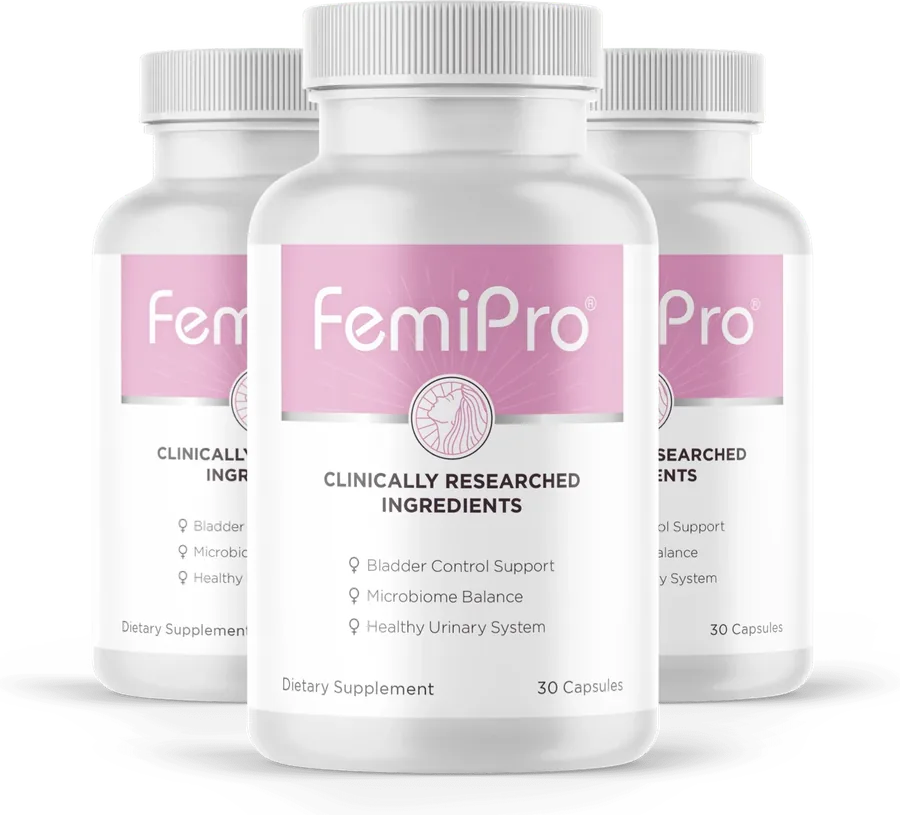
Herbal line 4 of 4
Berberine in FemiPro: A Small Share With Big Interactions
Berberine in FemiPro is a granular berberine hydrochloride extract, the fourth and smallest line of the 350 mg herbal blend. Label order caps it at 87.5 mg, and if "8%" means 8% berberine, at most 7 mg. Research on berberine covers blood sugar and lipids, not the bladder. It changes how the body handles many drugs.
Written by the FemiPro label deskUpdated
The line01
What is berberine in FemiPro?
Berberine in FemiPro is listed as "Granular Berberine Hydrochloride Extract 8% (bark/root)". It is the fourth of four lines in the 350 mg herbal blend, so it is the smallest herbal share in the capsule.
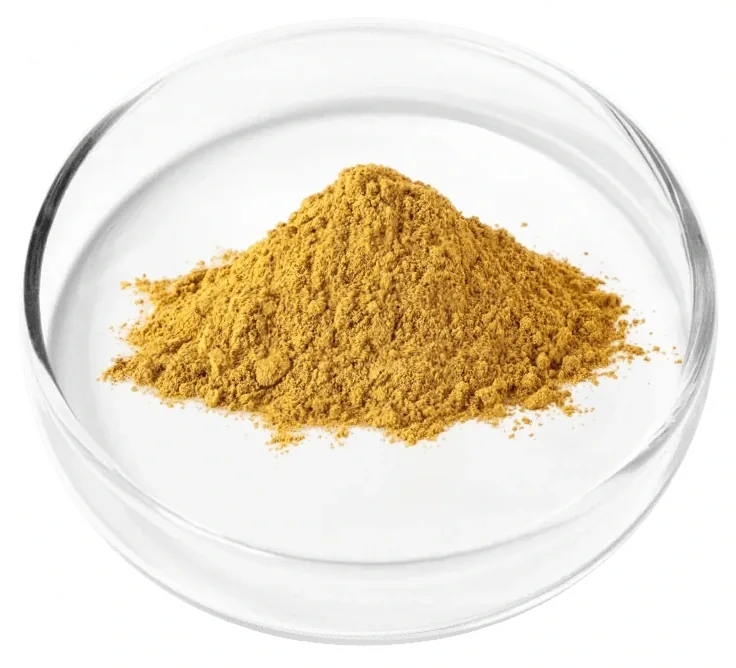
Berberine is a bright yellow plant compound. It occurs in the bark and roots of plants such as barberry and goldenseal. The label does not say which plant this extract comes from.
| Name on the label | Granular Berberine Hydrochloride Extract 8% (bark/root) |
|---|---|
| What it is | A yellow plant alkaloid from bark and root (for example barberry or goldenseal); the label does not name the plant |
| Place on the label | Line 4 of 4 in the 350 mg UTI Herbal Blend |
| Amount per capsule | Not printed; line 4 of 4 in the 350 mg UTI Herbal Blend. Label order caps it at 87.5 mg. |
| Amount used in research | Usual herbal dose 250-500 mg two or three times a day |
| Strength of evidence | Studied for blood sugar and lipids, not for the bladder |
| Marketed or traditional use | Traditional antimicrobial |
| Main caution | Not in pregnancy, while nursing or for newborns; changes how the body handles many drugs. |
The math02
How much berberine is in a FemiPro capsule?
The label does not say. It prints only the 350 mg total for the herbal blend, and lines are listed from most to least by weight (21 CFR 101.36, supplement labeling).
That order still gives a ceiling. The fourth of four lines can weigh no more than a quarter of the blend. 350 divided by 4 is 87.5, so the berberine extract weighs at most 87.5 mg, and it could weigh far less.
The "8%" adds a second question. The label does not define it. If it means the extract is 8% berberine, then 8% of 87.5 mg is 7 mg, and that is the most pure berberine one capsule could hold.
| Question | What the label shows | What follows |
|---|---|---|
| Weight of the extract | Line 4 of 4 in a 350 mg blend | At most 87.5 mg |
| Meaning of "8%" | Not printed | Possibly 8% berberine; the label does not say |
| Pure berberine | Not printed | At most 7 mg, if "8%" means 8% berberine |
| Source plant | "bark/root" only | Unknown |
Dose vs research03
How does FemiPro's berberine compare with research doses?
It is far below them. LiverTox gives the usual herbal dose as 250-500 mg, two or three times a day (LiverTox, Berberine). That is 500 to 1,500 mg a day.
Even the full 87.5 mg ceiling is under a fifth of the lowest of those doses. At 7 mg of pure berberine, the gap is about seventy times. A capsule a day does not come close to the amounts studied.
A small dose is not a safe dose for everyone, so the interaction cautions below still apply.
Evidence04
What is berberine studied for?
Berberine is studied mainly for blood sugar and blood fats. A 2023 umbrella review pulled together 11 meta-analyses of randomized trials (Berberine umbrella review, 2023).
It found effects on blood glucose, insulin resistance, blood lipids, body composition and some inflammation markers. The authors also said the quality of those analyses needs work, and that better trials should confirm the results. None of the outcomes was about the bladder or urine.
- Studied: blood sugar, insulin resistance and blood lipids.
- Not studied: bladder control, leaks or UTIs, or berberine at a few milligrams in a blend.
Bladder and UTIs05
Does berberine help with UTIs or bladder leaks?
No human trial shows that it does. Berberine has a long record as a traditional antimicrobial, and it acts on germs in lab dishes. Lab results do not tell us what a few milligrams in a capsule do in the body.
The US urology guideline on overactive bladder finds the evidence insufficient to support herbal remedies (AUA/SUFU, Overactive Bladder guideline 2024). For leaks, pelvic-floor training and bladder training come first.
A urinary tract infection is a different problem. It needs a clinician, who usually prescribes antibiotics (CDC, UTI basics). The label's "UTI Herbal Blend" is a name, not a treatment. For the ingredient with the strongest UTI research, see cranberry extract.
FemiPro: from $49 a bottle30 capsules · 1, 3 or 6 bottles · free US shipping · 60-day money-back guarantee
See packsInteractions06
Which medicines can berberine interact with?
Berberine can change how the body handles many medicines. A 2026 review says it acts on liver enzymes such as CYP3A4 and on drug carriers in the gut and kidneys (Berberine drug interactions review, 2026).
The clearest human example is cyclosporine, a transplant drug. In kidney-transplant patients, berberine raised cyclosporine levels by about 34.5%. The authors advise treating berberine as an active drug in people on several medicines.
Blood sugar is the other worry. Berberine and diabetes medicines can both lower blood sugar, so the effects may add up.
Cyclosporine
Levels rose with berberine.
Diabetes medicines
Metformin, insulin and others.
Many prescriptions
They share the same liver enzymes.
Never change a prescribed dose to make room for a supplement. Bring the FemiPro bottle to your pharmacist. More on supplements and medicines.
Pregnancy07
Is berberine safe in pregnancy or while breastfeeding?
No, berberine sources are not advised in pregnancy or while breastfeeding. NCCIH says goldenseal, a berberine plant, should not be used by pregnant or nursing women or given to infants, because berberine can harm newborns (NCCIH, Goldenseal (berberine source)).
That advice is about goldenseal, not this exact extract. It is still the safest guide. The FemiPro label also tells pregnant or nursing mothers to consult a physician before use.
For bladder changes in pregnancy and after birth, pelvic-floor training has good evidence (Cochrane, pelvic floor muscle training for UI in women).
Side effects08
What side effects can berberine cause?
Berberine side effects are mostly mild stomach and gut symptoms. LiverTox lists nausea, bloating, diarrhea and constipation, and says these were often no more common than with placebo in trials (LiverTox, Berberine).
LiverTox finds no published cases of liver injury, at full herbal doses many times the FemiPro ceiling.
If something feels wrong after starting, stop and call your clinician. Serious reactions can be reported to the FDA (FDA, Report a Supplement Problem). The full list for the capsule is on FemiPro side effects, and the five strains are on the probiotic blend page.
FAQ09
Berberine questions
What does berberine 8% mean on the FemiPro label?
The label does not define it. It most likely means the granular extract is 8% berberine by weight. If so, the full 87.5 mg ceiling would hold at most 7 mg of berberine. The actual weight of the extract is not printed, so it could hold less.
Does the berberine in FemiPro lower blood sugar?
Not that anyone has shown. Berberine lowered blood sugar in trials at about 500 to 1,500 mg a day (Berberine umbrella review, 2023). A FemiPro capsule holds at most 87.5 mg of extract. FemiPro is not sold or labeled for blood sugar, and no trial has tested it for that.
Can I take FemiPro with metformin?
Ask your doctor or pharmacist first. Berberine and metformin can both lower blood sugar, so the effects could add up, even if the amount in FemiPro is small. Keep taking metformin as prescribed, and watch for signs of low blood sugar if you are cleared to start.
Is berberine safe during pregnancy?
No. NCCIH says goldenseal, a berberine source, should not be used during pregnancy or breastfeeding, because berberine can harm newborns (NCCIH, Goldenseal (berberine source)). The FemiPro label also tells pregnant or nursing mothers to ask a physician first. Wait until you have that talk.
Does berberine help UTIs?
No human trial shows that it does. Berberine affects germs in lab dishes, but that is not proof it helps in the body. A UTI needs a clinician and usually antibiotics. Cranberry has the best evidence for fewer repeat UTIs, and that is prevention only.
What are the side effects of berberine?
Mostly mild gut symptoms: nausea, bloating, diarrhea or constipation. In trials these were often no more common than with placebo, and no liver injury cases are on record (LiverTox, Berberine). The bigger issue is drug interactions, not side effects. Stop and call your clinician if anything feels wrong.
Who wrote this10
Written and reviewed by
Pages built from the label, the sales page and linked NIH, FDA, FTC and peer-reviewed sources.
Last updated . Read our editorial standards and how we check reviews. This website is run by a U.S. stocking partner for FemiPro, not by the manufacturer or the label's distributor. We earn money when you buy through our order links.
Keep reading
More about FemiPro

U.S. stocking partner for FemiPro
Ready to try FemiPro?
Check your medicines first, then pick a pack. Every pack ships free in the US, six bottles cost the least per bottle, and each order carries the 60-day money-back guarantee.
- Secure checkout
- 60-day money-back guarantee
- Ships from the U.S.