Guide
Overactive Bladder in Women: Urgency, Habits and Care
Overactive bladder in women means sudden, hard-to-control urges to pee, often with frequent trips and night waking, sometimes with leaks. A common marker is peeing eight or more times in 24 hours. Bladder training and other habits come first; the US urology guideline finds the evidence insufficient for herbal remedies and supplements.
Written by the FemiPro label deskUpdated
The basics01
What is overactive bladder in women?
Overactive bladder in women is a pattern of sudden, strong urges to pee that are hard to put off. The urge is the core sign. Frequent trips by day and waking at night usually come with it, and some women leak before they reach the toilet.
The US urology guideline defines it as urgency, usually with frequency and night waking, with or without leaks, when no infection or other clear cause explains it (AUA/SUFU, Overactive Bladder guideline 2024). That last part matters: a clinician first rules out an infection or another problem.
It is common, but not a normal part of aging (Mayo Clinic, Overactive bladder), and it often improves with simple changes.
Symptoms02
What are the symptoms of an overactive bladder?
The symptoms of an overactive bladder are urgency, frequency, night waking and, for some women, urge leaks. They can shift from week to week.
A stress leak comes with a cough, sneeze or jump. An urge leak comes with a rush of need, often at the front door. Many women have both, called mixed leaks (NIDDK, Urinary Incontinence (definition and facts)).
A sudden need
A strong urge that is hard to delay, even with a bladder that is not full.
Many trips
Eight or more trips in 24 hours, or trips so often they shape your plans.
Night waking
Waking more than twice a night to pee breaks up sleep and adds tiredness.
Not making it
Losing urine on the way to the toilet, from a few drops to a full release.
Causes03
What causes overactive bladder in women?
Overactive bladder in women has no single cause. Often the bladder muscle squeezes too early for no clear reason.
Mayo Clinic lists bladder stones or tumors, stroke, multiple sclerosis and other nerve conditions, diabetes, hormone changes around menopause, urinary tract infections, incomplete emptying and some medicines (Mayo Clinic, Overactive bladder). Constipation, extra weight and smoking can add to bladder problems too (NIDDK, Incontinence causes and when to get care).
Menopause deserves its own mention. Falling estrogen changes the tissue around the bladder and urethra, and urgency is one of the symptoms it can bring (AUA/SUFU/AUGS, Genitourinary Syndrome of Menopause 2025). Read more in menopause and the bladder.
How often04
How often is too often to pee?
Peeing eight or more times in 24 hours, or waking more than twice a night, is a common marker of overactive bladder (Mayo Clinic, Overactive bladder). Fewer trips can still be a problem if the urges disrupt your day.
A bladder diary for three or four days shows your clinician what really happens, and it gives you a baseline to compare against later (MedlinePlus, Urinary Incontinence).
| Column | What to note | Why it helps |
|---|---|---|
| Time | Each trip to the toilet, day and night | Shows frequency and night waking |
| Drinks | What and how much, including coffee, tea, soda and alcohol | Links urges to particular drinks |
| Urge | None, mild or strong before each trip | Separates habit trips from true urgency |
| Leaks | Any leak, how much and what you were doing | Tells urge leaks from stress leaks |
| Pads | How many you changed | A plain measure of change over weeks |
Bladder training05
What is bladder training for overactive bladder?
Bladder training is a planned way to stretch the time between trips to the toilet. You pee on a schedule, then add a few minutes to the gap as the urges settle. It is a first-line step for urgency in public guidance.
UK guidance offers bladder training for at least six weeks for urge or mixed leaks (NICE NG123, UI and pelvic organ prolapse in women). The US guideline says clinicians should offer it and other behavioral steps to everyone with overactive bladder (AUA/SUFU, Overactive Bladder guideline 2024).
Find your gap
Use your diary to see how long you usually go between trips. That is your starting interval.
Go by the clock
Pee at that interval during the day, whether or not you feel the urge.
Hold off an urge
When an urge comes early, stop, stand still and squeeze the pelvic floor a few times until it fades.
Stretch slowly
Once a gap feels easy, add a few minutes. Build over weeks.
The quick squeezes come from pelvic-floor training. Learn to find the right muscles on pelvic floor basics.

FemiPro: from $49 a bottle30 capsules · 1, 3 or 6 bottles · free US shipping · 60-day money-back guarantee
See packsDaily habits06
Which daily habits help an overactive bladder?
Habits that help an overactive bladder include steady fluids, less caffeine and alcohol for some women, regular bowel movements and a healthy weight (NIDDK, Incontinence treatment). None of them costs money.
Caffeine is the habit most people ask about. UK guidance suggests a trial of cutting it back (Ha et al. 2025, bladder irritants systematic review). A 2025 review of bladder irritants found the evidence mixed, though, so your own diary is a better guide than a blanket ban (Ha et al. 2025, bladder irritants systematic review). Avoid cutting fluids so far that you get dehydrated.
Tick the habits you already keep; a petal opens for each. Your ticks stay on this device only. These habits come from public health sources, not from the FemiPro label, and they help whether or not you take a supplement.
Medical care07
What treatments do doctors offer for overactive bladder?
Doctors offer medicines for overactive bladder when habits alone are not enough. The two main groups are antimuscarinics and beta-3 agonists, and the US guideline asks clinicians to discuss dementia risk with the first group (AUA/SUFU, Overactive Bladder guideline 2024).
Devices and, as a last resort, surgery come later. A clinician matches the choice to your leak type and health (NIDDK, Incontinence treatment).
Keep taking prescribed medicine as directed. UK guidance notes that bladder medicines can take at least four weeks to show a benefit (NICE NG123, UI and pelvic organ prolapse in women), so give a new one a fair trial and report side effects.
Supplements08
Can supplements help an overactive bladder?
No supplement has good evidence for overactive bladder. The 2024 US urology guideline states that the evidence is insufficient to support nutraceuticals, vitamins or herbal remedies for it (AUA/SUFU, Overactive Bladder guideline 2024).
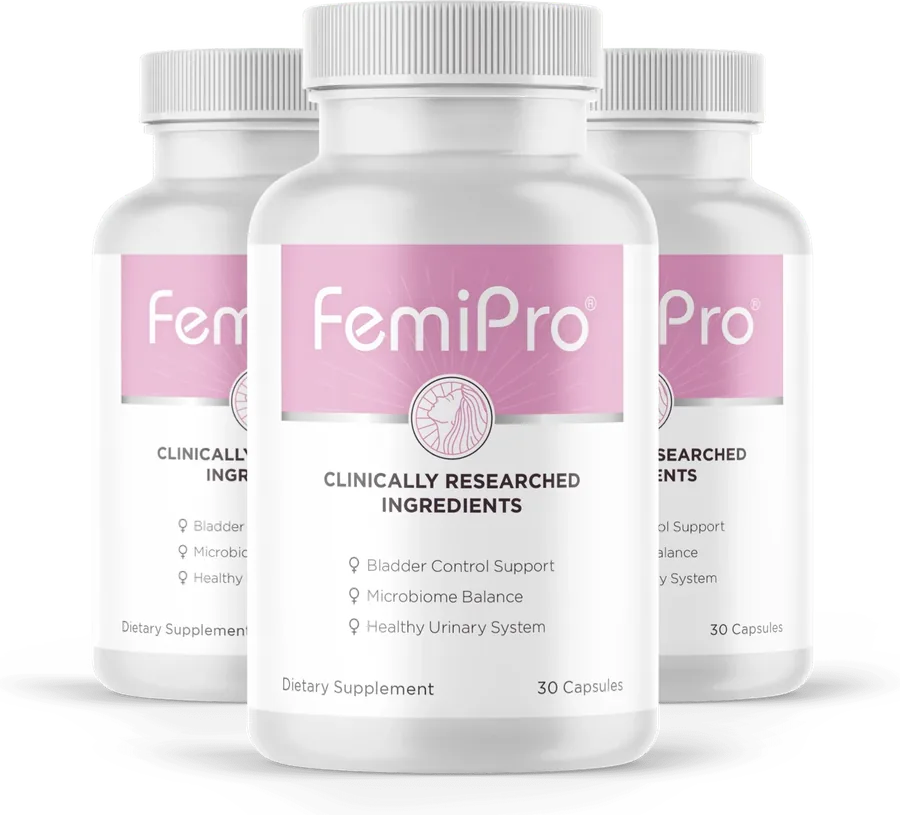
FemiPro is one example. Its label says "Bladder Control Support" and "Microbiome Balance", and no trial has tested the capsule. Its best-studied ingredient, cranberry, was studied for repeat UTIs, not urgency (Cochrane 2023, cranberries for preventing UTIs). Research on bladder bacteria shows links, not proof that a probiotic changes symptoms (Govender 2019, urinary microbiome and UI).
What the claim means
"Microbiome Balance" is a structure/function phrase with the FDA asterisk. We set each claim beside the evidence on does FemiPro work.

When to get help09
When should you see a clinician about bladder urgency?
See a clinician about bladder urgency when it disrupts your day, your sleep or your plans, or when it starts suddenly. A first visit usually covers your history, an exam and a urine test (AUA/SUFU, Overactive Bladder guideline 2024).
Some signs need a quicker check. Burning when you pee, fever, back or side pain, or blood in the urine can mean an infection or another problem (CDC, UTI basics).
If you cannot pass urine at all, or you feel your bladder will not empty, seek care the same day (NIDDK, Incontinence causes and when to get care). Bring your bladder diary to any visit.
FAQ10
Overactive bladder questions
What causes an overactive bladder?
Often the bladder muscle squeezes too early, and the reason is not clear. Nerve conditions, diabetes, bladder stones, infections, hormone changes after menopause, incomplete emptying and some medicines make it more likely (Mayo Clinic, Overactive bladder). A clinician checks the urine first, because an infection can mimic overactive bladder.
How often is too often to pee?
Eight or more trips in 24 hours is a common marker, as is waking more than twice a night (Mayo Clinic, Overactive bladder). What counts most is whether the urges disrupt your life. A three-day bladder diary of drinks, trips and leaks gives you and your clinician a clear picture.
Does caffeine make an overactive bladder worse?
For some women, yes. UK guidance suggests a trial of cutting caffeine for overactive bladder (Ha et al. 2025, bladder irritants systematic review), but a 2025 review found the evidence on drinks mixed. Try two weeks with less coffee, tea and cola, keep a diary, and compare the urge and trip counts.
What is bladder training?
Bladder training means peeing on a set schedule and slowly lengthening the gap between trips, while calming urges with quick pelvic-floor squeezes. UK guidance offers it for at least six weeks as a first step for urge leaks (NICE NG123, UI and pelvic organ prolapse in women). Progress comes over weeks, so keep a diary to see it.
Are there medicines for overactive bladder?
Yes. Clinicians prescribe antimuscarinics or beta-3 agonists when habits are not enough, and they discuss side effects and dementia risk with the first group (AUA/SUFU, Overactive Bladder guideline 2024). Benefits can take about a month to show, so a fair trial matters before deciding a medicine has failed.
Can an overactive bladder go away?
It often improves a great deal. Bladder training, steady fluids and pelvic-floor work help many women, and medicines add more for others (NIDDK, Incontinence treatment). Symptoms can return in stressful weeks or with an infection, so keep the habits going once they help, and see a clinician if things change.
Who wrote this11
Written and reviewed by
Pages built from the label, the sales page and linked NIH, FDA, FTC and peer-reviewed sources.
Last updated . Read our editorial standards and how we check reviews. This website is run by a U.S. stocking partner for FemiPro, not by the manufacturer or the label's distributor. We earn money when you buy through our order links.
Keep reading
More about FemiPro


U.S. stocking partner for FemiPro
Ready to try FemiPro?
Check your medicines first, then pick a pack. Every pack ships free in the US, six bottles cost the least per bottle, and each order carries the 60-day money-back guarantee.
- Secure checkout
- 60-day money-back guarantee
- Ships from the U.S.